Two Soups, Two Cookies
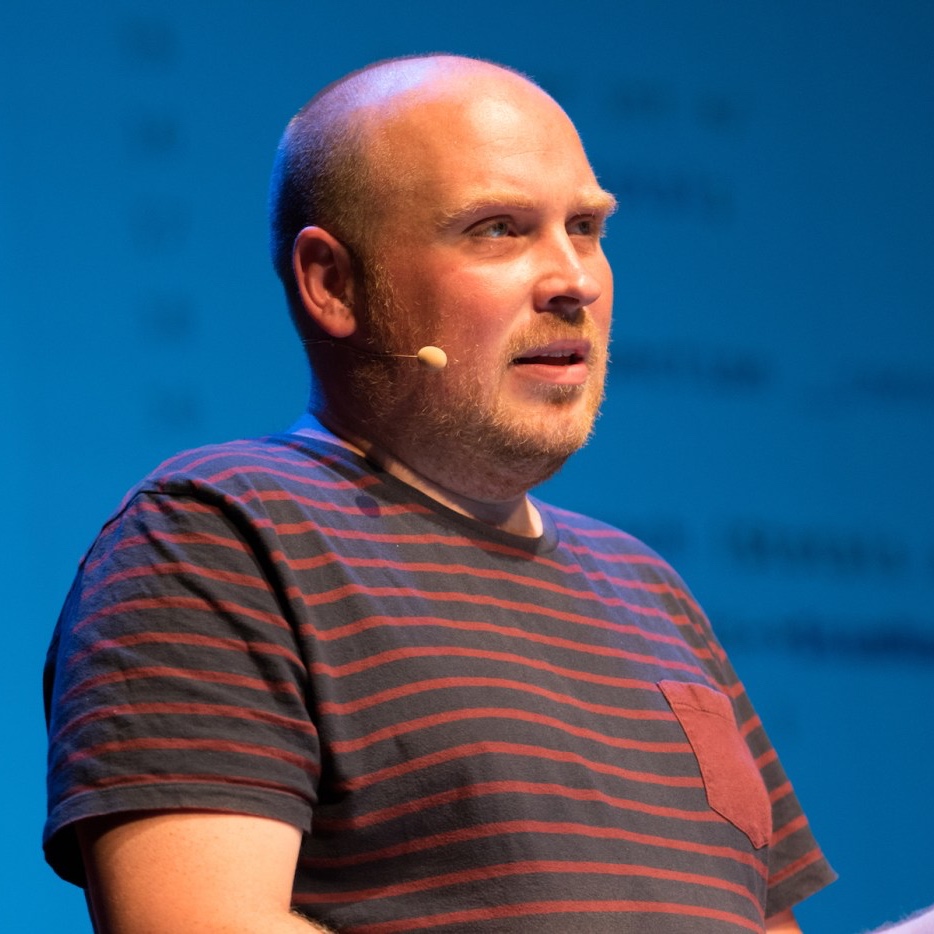
A lovely analogy about software craft. Same ingredients, same features, but the invisible process behind the decisions is what separates "this works" from "this feels right."
Read more [liamhammett.com]
A lovely analogy about software craft. Same ingredients, same features, but the invisible process behind the decisions is what separates "this works" from "this feels right."
Read more [liamhammett.com]
Christoph Rumpel reflects on how AI tools are changing the way developers work. The core message: take the shortcuts that cut out mechanical work, but don't outsource the parts that make your work yours.
Read more [christoph-rumpel.com]
Join 9,500+ smart developers
Get my monthly newsletter with what I learn from running Spatie, building Oh Dear, and maintaining 300+ open source packages. Practical takes on Laravel, PHP, and AI that you can actually use.
No spam. Unsubscribe anytime. You can also follow me on X.
"Always fresh, useful tips and articles. Carefully selected community content. My favorite newsletter, which I look forward to every time."
Martin Fowler on how technical terms lose their meaning as they spread. When a useful concept becomes popular, it passes through a "telephone game" of explanations until the original definition gets diluted or even inverted. Think of how "agile" or "DevOps" are used today versus their original intent.
Read more [martinfowler.com]
Not all friction is bad.
Read more [carlbarenbrug.com]
The true work is in building complexity into software, then thoughtfully editing and pruning it into something that takes a minute to learn, yet offers a lifetime of mastery for those who want to accomplish complicated things.
Read more [buttondown.com]
say: complexity very, very bad
Read more [grugbrain.dev]
When you say "just," you're skipping over all the invisible complexity.
Read more [www.neverjust.net]
– spatie.be - submitted by Spatie
Read more [spatie.be]
Our worldviews are grown from other people’s models. How do we control what models we let in?
Read more [verraes.net]
Some critical thoughts about React. I think the criteria used to determine if React is the right tool, can be used to think critical about your favourite framemework / piece of software.
Read more [joshcollinsworth.com]
Why feeling that you understand a new idea, is a sign that you didn't.
Read more [verraes.net]
A brilliant post by Noah Gibbs with some good insights in what it means to be a developer and the things you should focus on.
Read more [codefol.io]
– stitcher.io - submitted by Brent
Brent shares a few thoughts on open source software design
Read more [stitcher.io]
All models are wrong but simple models are more wrong than complex ones. Simple models are more appealing, easier to teach and spread and apply. Because of that, they can bring value faster, and they can cause harm faster.
Read more [verraes.net]
– www.tonysm.com - submitted by Tony Messias
Tony Messias been looking up resources on the roots of Object-Oriented Programming. He shares some very interesting ideas.
Read more [www.tonysm.com]
Technical debt is not simply a measure of the specific work needed to repay the debt; it is the additional time and effort added to all past, present, and future work that comes from having the debt in the first place.
Read more [www.oreilly.com]
Seb makes the case that subtracting things can be better than adding things.
Read more [sebastiandedeyne.com]
Instead of focusing of how to get a positive outcome, you might consider thinking about reasons why you'll get a negative outcome. This could possibly lead to new perspectives that you might had not considered otherwise.
Read more [www.anup.io]
Ross Tuck doesn't blog often, but when he does, it's worth your time!
Read more [www.rosstuck.com]
– stitcher.io - submitted by Brent
There are one or two parallels with the history of braille that Brent thinks we can learn valuable lessons from.
Read more [stitcher.io]