Posts tagged with tip

Join thousands of developers

Every two weeks, I share practical tips, tutorials, and behind-the-scenes insights from maintaining 300+ open source packages.

No spam. Unsubscribe anytime. You can also follow me on X.

Formatting Vue component properties in PHPStorm

Most of work is done in PHPStorm. On my current project I do a lot of Vue stuff. Regularly use PHPStorm auto format feature to make the code look nice. One thing that was bothering is that by default it will use 8 characters of indentation for Vue component properties. So you get this horrible code:

<br /><template>
    <!-- ? -->
    <my-component
            myProp="myValue"
            anotherProp="anotherValue"
    ></my-component>
</template>

Today a golden tip by Christopher Pitt helped me find the solution. In the preferences of PHPStorm you need to set continuation indent of the html to 4 characters.
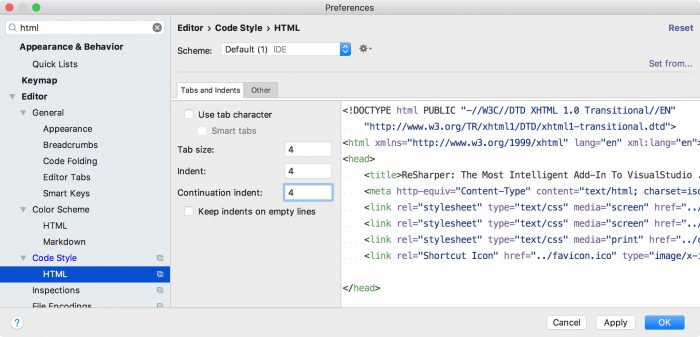
And after that the PHPStorm will reformat the code right according to our guidelines for Vue templates.

<template>
    <!-- ? -->
    <my-component
        myProp="myValue"
        anotherProp="anotherValue"
    ></my-component>
</template>

Read more
Switching PHP versions with Laravel Valet

Michael Dyrynda, one of the two new hosts of the Laravel Podcast, share a nice tip on how to quickly switch PHP versions when using Laravel Valet.

At the time of writing, Laravel Valet ships with PHP 7.1 but if you're like me, you have some legacy projects around the place that haven't quite lifted their dependencies to PHP 7 just yet.

A lot of folks might have previously used a VirtualBox Virtual Machine, or more recently considered Docker but a lot of the time and especially when dealing with simpler situations, Valet may be all that you need.

https://dyrynda.com.au/blog/switching-php-versions-with-laravel-valet

Read more

Use Sequel Pro's colored favourites

by Freek Van der Herten – 2 minute read

Every single day I use Sequel Pro to manage MySQL databases for all projects I'm working on. Sequel Pro gets used in both development and production environments. Because the databases mostly have the same name and tables in all environments it's very easy to mix them up. You have to be really…

Read more